
EPC Reforms: Government Plans 2025–26
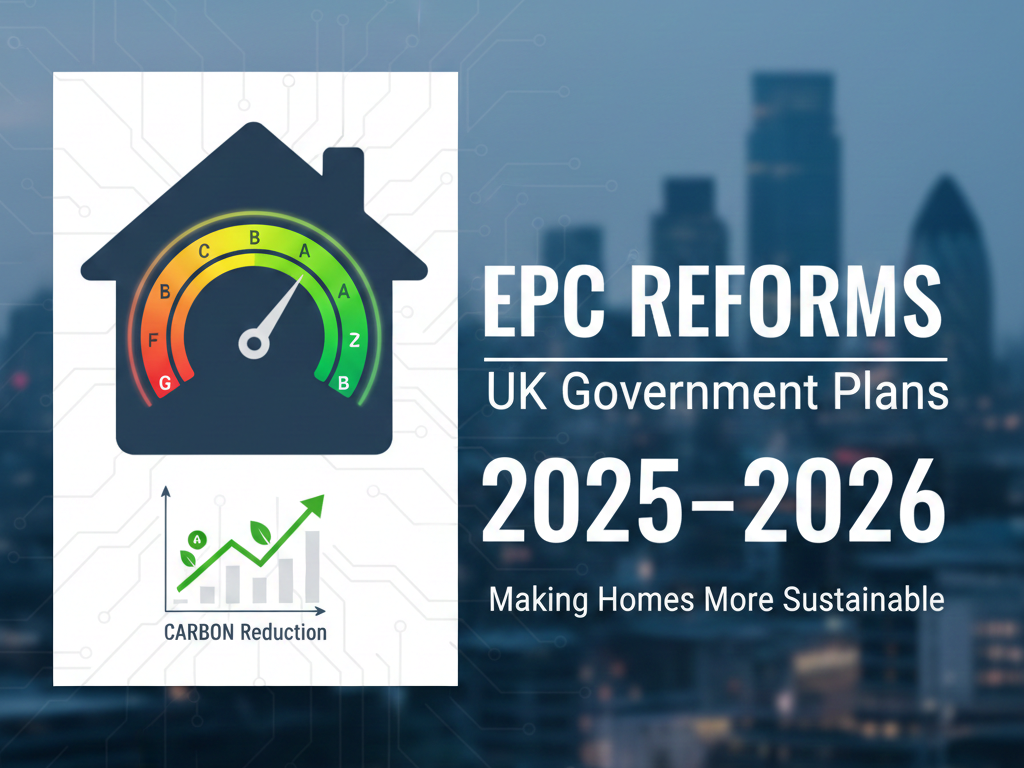
After a long period of limited change, the UK government has introduced proposed reforms to the Energy Performance Certificate system. These reforms have now been published and are intended to shape future energy and housing policies. Several changes are under consideration, which will affect both domestic and non-domestic properties across the UK.
The proposed EPC reforms focus on improving energy efficiency and reducing fuel poverty. They also address wider environmental challenges, including carbon reduction and energy security. EPC requirements are therefore becoming more important for homeowners, landlords, and industry stakeholders. Since EPCs are mandatory for many property transactions, obtaining a valid certificate within the required time is essential. Professional service providers such as S6energy can support this process.
What is an Energy Performance Certificate
An Energy Performance Certificate shows the estimated running costs of a property based on its energy efficiency rating. It is a legal document that provides information about how energy is used within a building. EPCs apply to homes and other buildings and reflect current energy performance standards.
The certificate includes an assessment report prepared by qualified assessors. It supports policy decisions, building management, and household financial planning. EPC data is also used to inform national strategies related to building stock and energy consumption.
Why EPC Reform is Necessary
EPC reforms aim to reduce fuel poverty by improving building efficiency and lowering household energy bills. They also support the reduction of carbon emissions and help limit the environmental impact of buildings. In addition, EPCs highlight performance gaps and provide recommendations for improvement across the property sector.
The reforms are designed to make energy performance information clearer and more useful. They help property owners understand how efficiency improvements can reduce costs and environmental impact.
Domestic and Non-Domestic EPCs
Domestic EPCs use four main metrics. These include building fabric performance, heating systems, smart readiness, and energy cost. Together, these metrics provide a clear overview of a home’s energy efficiency.
Non-domestic EPCs use a different approach. They rely on a single headline rating that focuses mainly on carbon emissions. The government is reviewing whether additional metrics should be added and how they should be applied. These updates may also include factors related to building quality, health outcomes, biodiversity, and water efficiency.
Changes to EPC Requirements
The EPC consultation proposes updates to the validity period and usage requirements. Currently, an EPC is valid for ten years and must be available when selling or renting a property. The government is considering alternative validity periods ranging from one to ten years.
Landlords and homeowners may request new EPCs if existing certificates expire. The aim is to ensure that EPC information remains accurate and reflects current building conditions.
Purpose of the Government Consultation
Government consultations are conducted to reform and improve the energy system in the UK. The EPC consultation focuses on both domestic and non-domestic properties. It also reviews how EPCs function and how they can better support policy objectives and consumer understanding.
Complementary Metrics and Public Understanding
EPC ratings use a scale from A to G. For domestic properties, this scale reflects energy costs and efficiency levels. For non-domestic buildings, graphical representations are used to show carbon performance and potential improvements.
These metrics support government priorities such as fuel efficiency and housing quality. EPCs also provide guidance on financial decisions by estimating energy costs and carbon emissions. Information about energy use and heating systems helps identify areas for efficiency improvement.
Standards, Training, and Additional Changes
Energy assessments must be carried out by trained and qualified professionals. Government-approved accreditation schemes provide training and oversight to ensure assessment quality.
Additional proposed changes include improved access to EPC data and better links with previous certificates. Consumer support services are also emphasised to improve overall system quality and compliance.
Implementation Timeline
Following the consultation period, which lasts twelve weeks, the government will review responses and prepare legislation. The introduction of updated EPC metrics is planned for mid-2026.
New EPC Rules and Conclusion
The revised EPC will describe current energy performance, recommended improvements, and estimated costs. This information supports informed decisions when selling or managing property.
Overall, EPC reforms align with the UK government’s commitment to a more sustainable future. They aim to balance environmental goals with household needs and economic considerations. Understanding these changes will help property owners and stakeholders make better decisions under the new policy framework.